

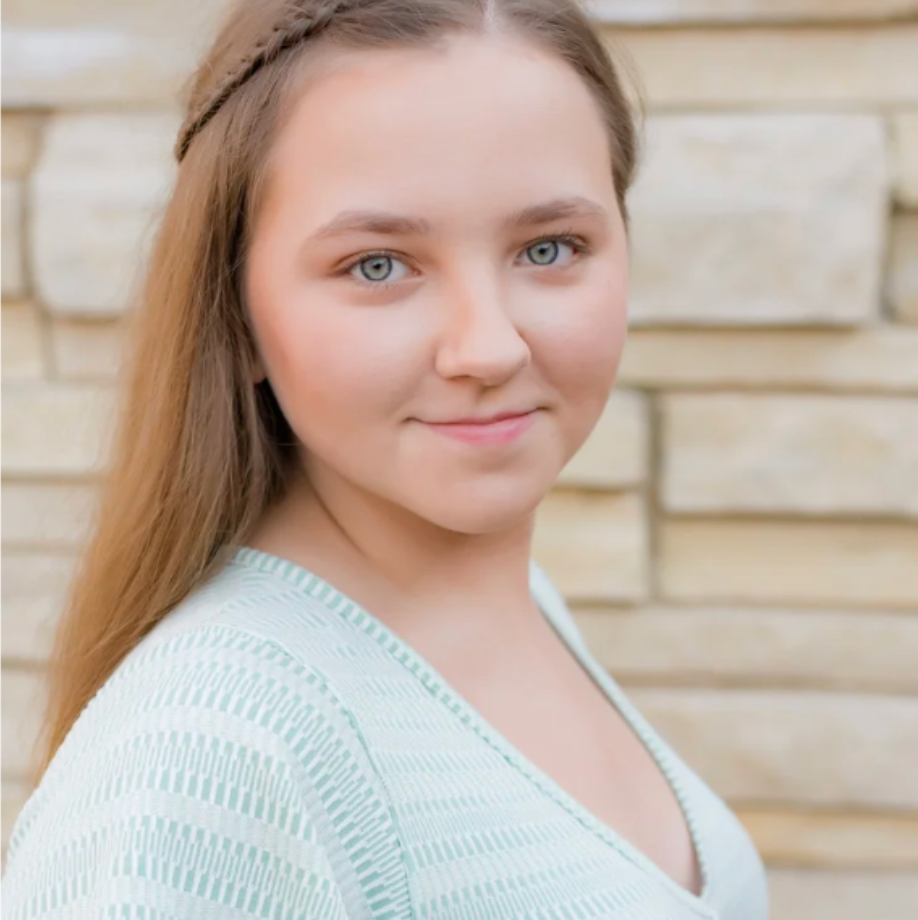
Sarah Larson
Sarah joined the Marsh lab in the fall of 2022. She is a recent Hopkins graduate, having completed a B.S. in neuroscience. She was a previous lab coordinator and helped oversee various projects including one that looks at the prognostic value of stroke severity measures, one that is examining the use of tDCS to improve cognitive impairment post stroke, and one evaluating digital biomarkers for cognitive decline.
Published work with the lab:
Larson S., John S., Gowrisankar S., Zhao M., Piner B., Dallasta I., Marsh E. B. Social Determinants of Health Framework Identifies Patients at Risk for Loss to Follow‐Up After Stroke. JAHA (2025). https://doi.org/10.1161/JAHA.124.040986. Click to read article
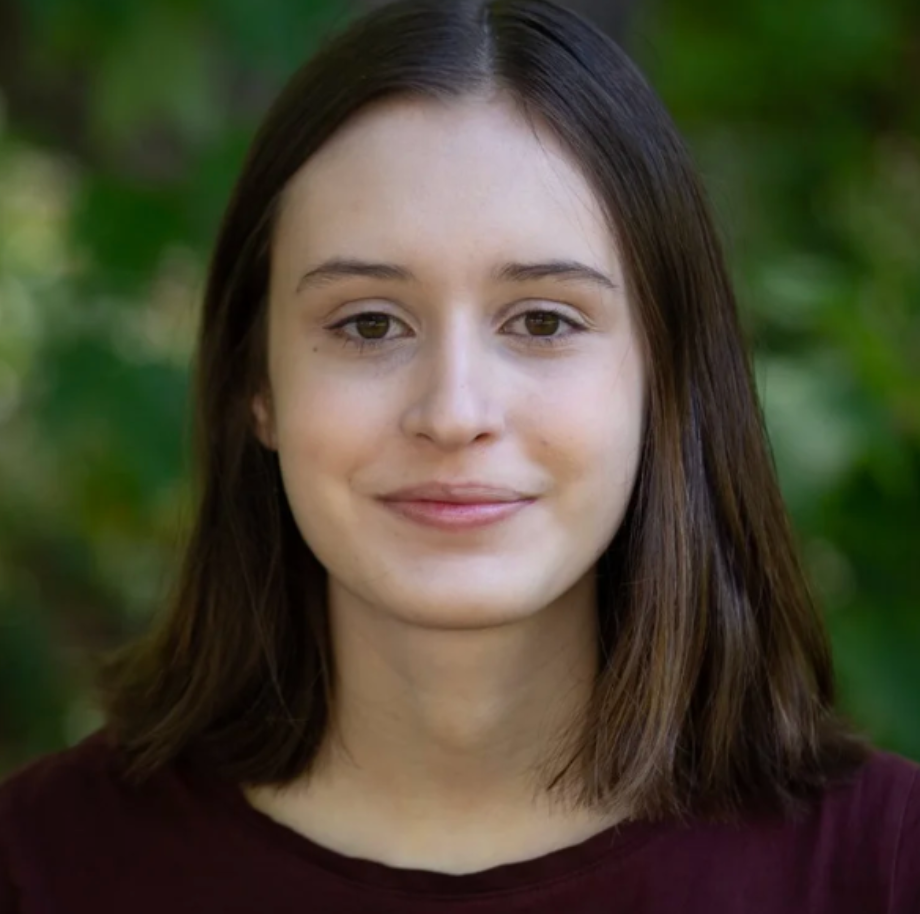
Grace Molano
Grace is a graduate of Johns Hopkins University with a B.S in Neuroscience and plans to attend medical school. While with the Marsh lab, Lakshmi helped with cognitive testing and with data collection for multiple projects.
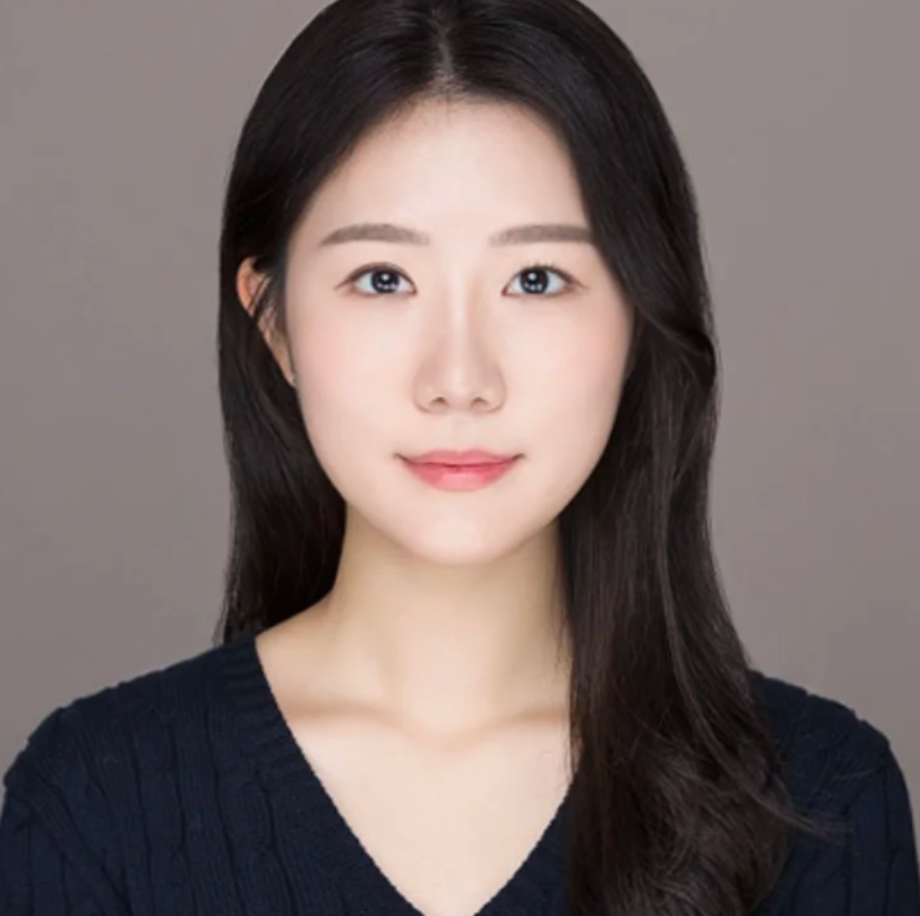
Jamie Cho
Jamie is a graduate of Johns Hopkins University with a B.S in Neuroscience and B.A in Public Health. While with the Marsh lab, Lakshmi helped with cognitive testing and with data collection for multiple projects.
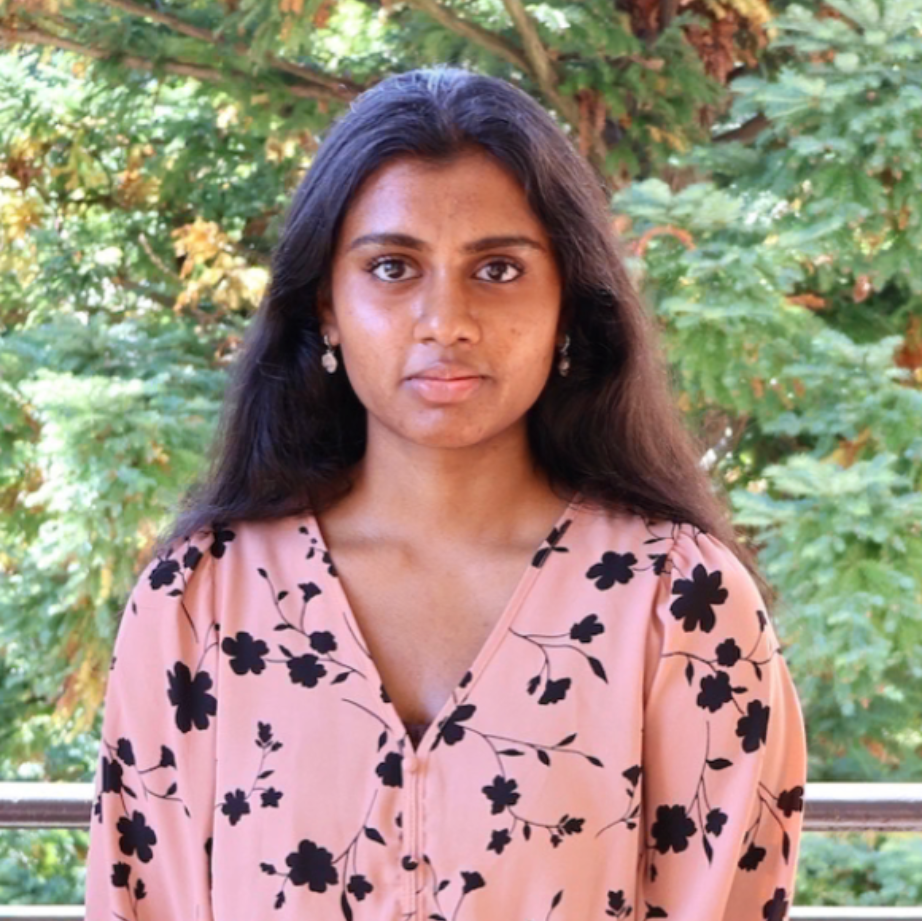
Sriesakthi Gowrisankar
Sriesakthi is a graduate of Johns Hopkins University with a B.S in Neuroscience and plans to attend medical school. Sriesakthi was a part of the social determinants of health project to help identify stroke patients who are at greater risk of being lost to follow-up.
Published work with the lab:
Larson S., John S., Gowrisankar S., Zhao M., Piner B., Dallasta I., Marsh E. B. Social Determinants of Health Framework Identifies Patients at Risk for Loss to Follow‐Up After Stroke. JAHA (2025). https://doi.org/10.1161/JAHA.124.040986. Click to read article
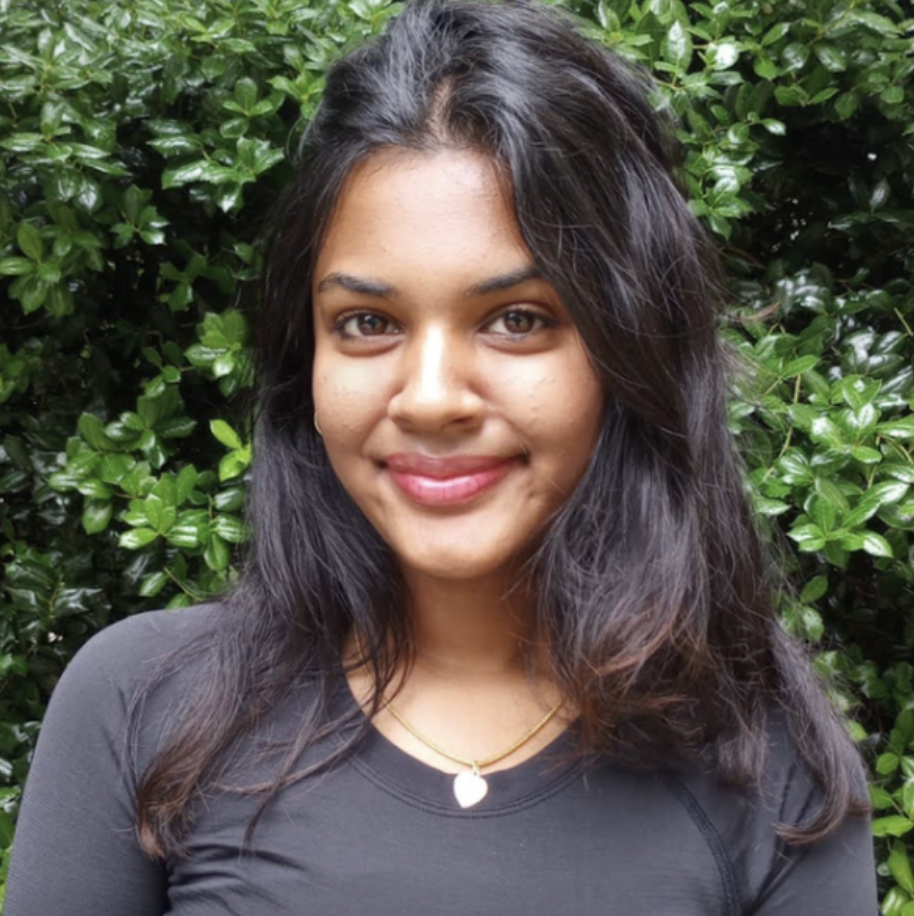
Lakshmi Valliyappan
Lakshmi is a graduate of Johns Hopkins University with a B.S in Neuroscience. While with the Marsh lab, Lakshmi helped with cognitive testing and with data collection for multiple projects. She plans to pursue a BS/MS as well as attend Medical school.
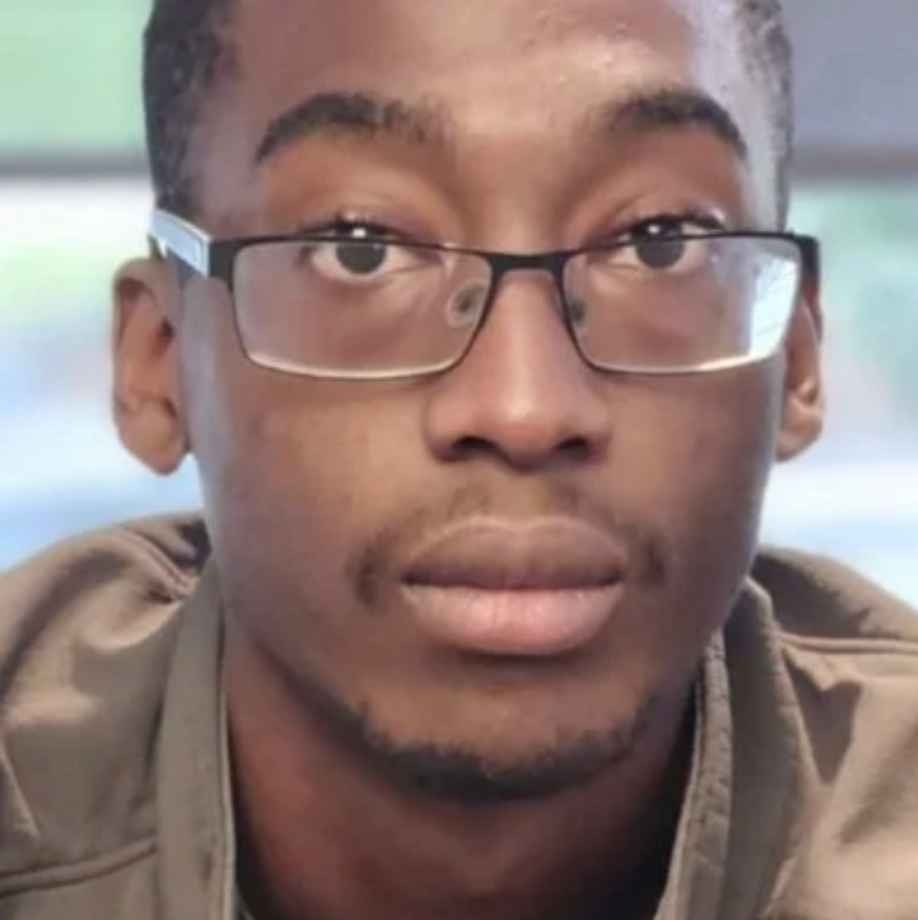
Ethan Oluwole
Ethan is a graduate of Johns Hopkins University with a B.S in Neuroscience and was a member of the Marsh lab from 2024 to 2025. He helped with cognitive testing and with data collection for multiple projects. Ethan is currently working as a medical assistant.
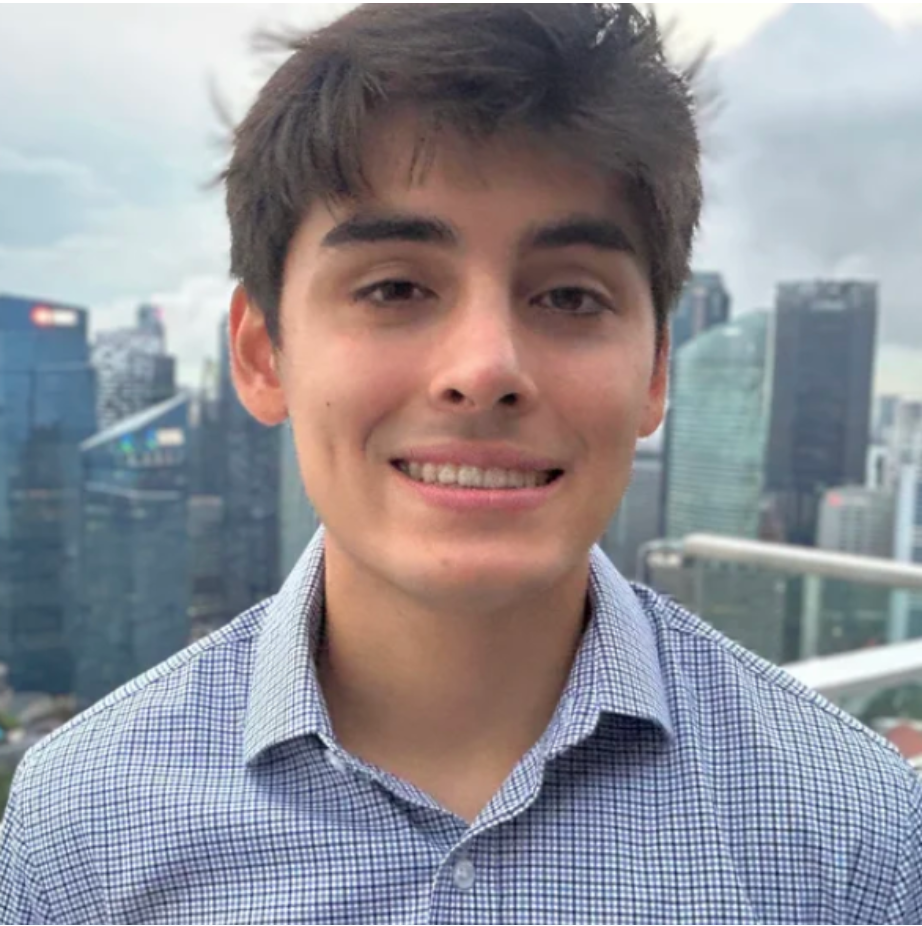
Nicolas Rodriguez
Nicolas is a graduate of Johns Hopkins University with a B.S in Neuroscience. Nick worked on the Scrambler therapy project to help to administer the treatment and collect data to better understand how it achieves pain relief for stroke patients.
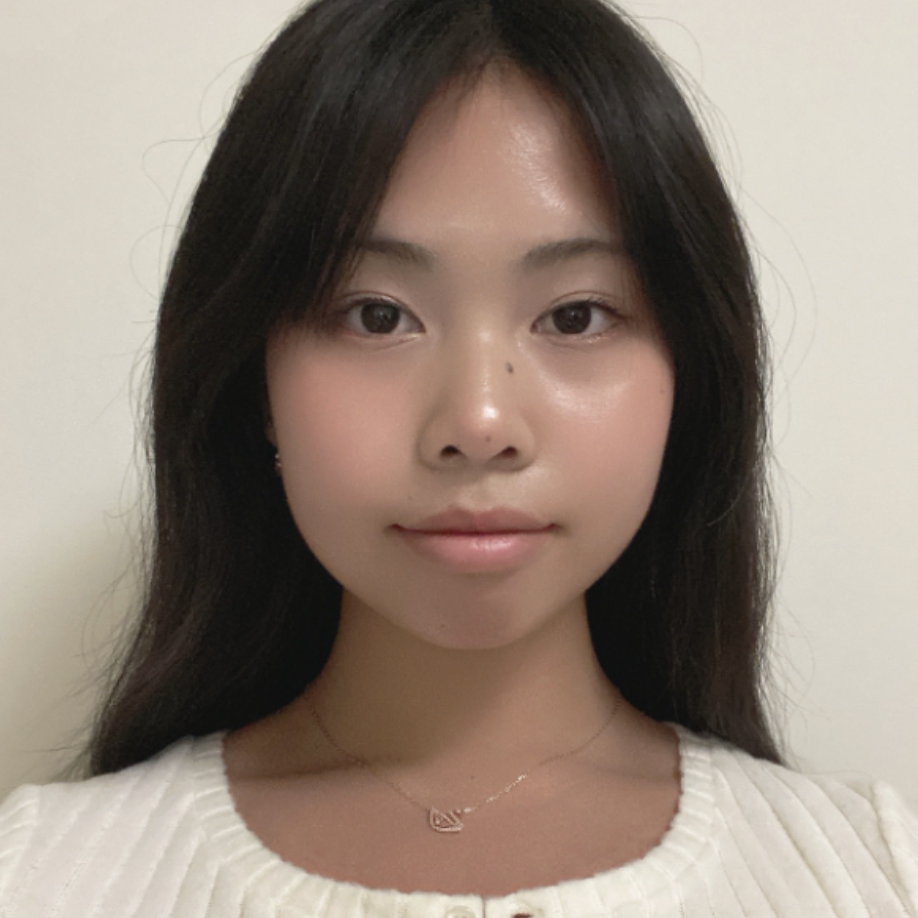
Viviana Li
Viviana is a graduate of Johns Hopkins University with a B.S in Neuroscience and plans to attend medical school.
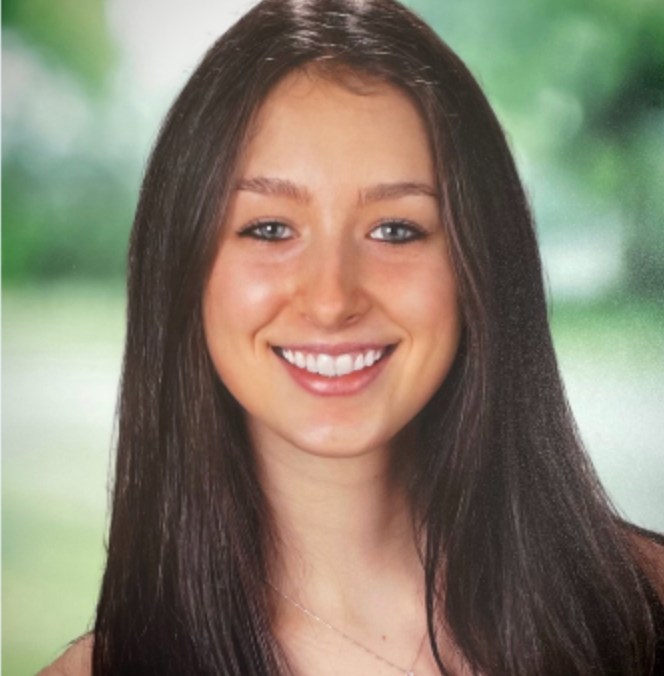
Naomi Crane
Naomi is a graduate of Johns Hopkins University with a B.S in Neuroscience and a minor Psychology. While at the Marsh lab Amiee helped administer cognitive testing to aid with multiple studies. She plans to attend medical school as an MD/PhD candidate and is currently working as a Postgraduate Clinical Research Associate at Yale School of Medicine.
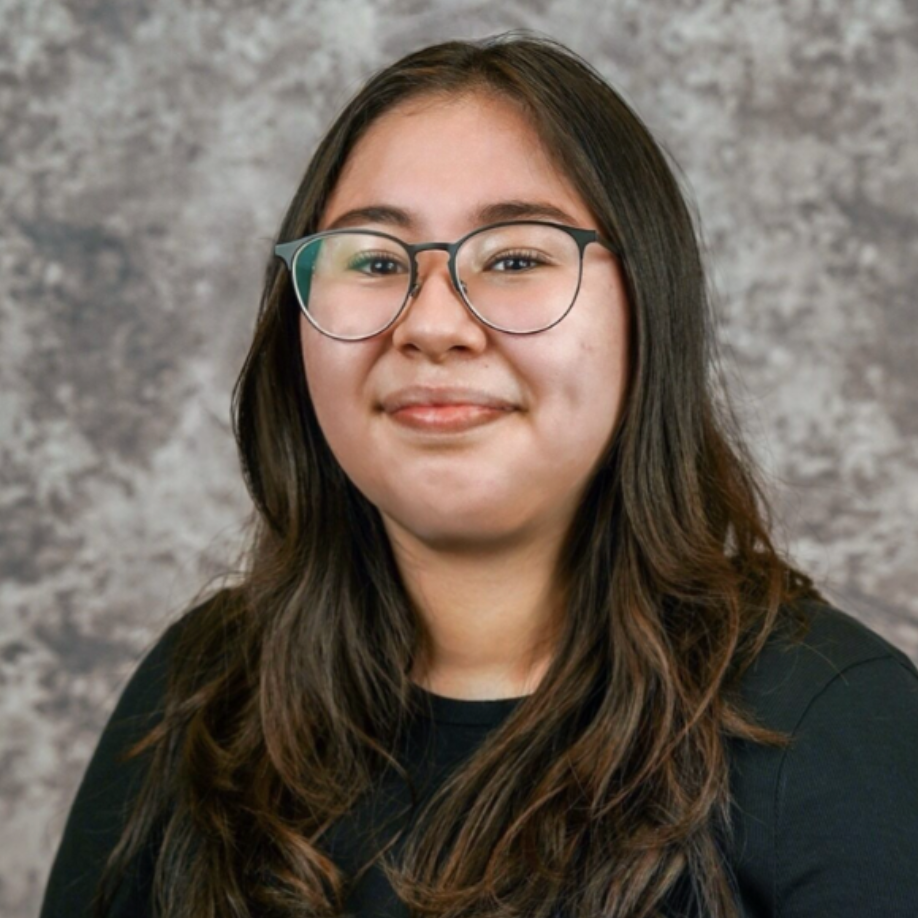
Amiee Padilla
Amiee is graduated from Johns Hopkins University with a B.S in Neuroscience in 2026. While at the Marsh lab Amiee helped administer cognitive testing to aid with multiple studies.
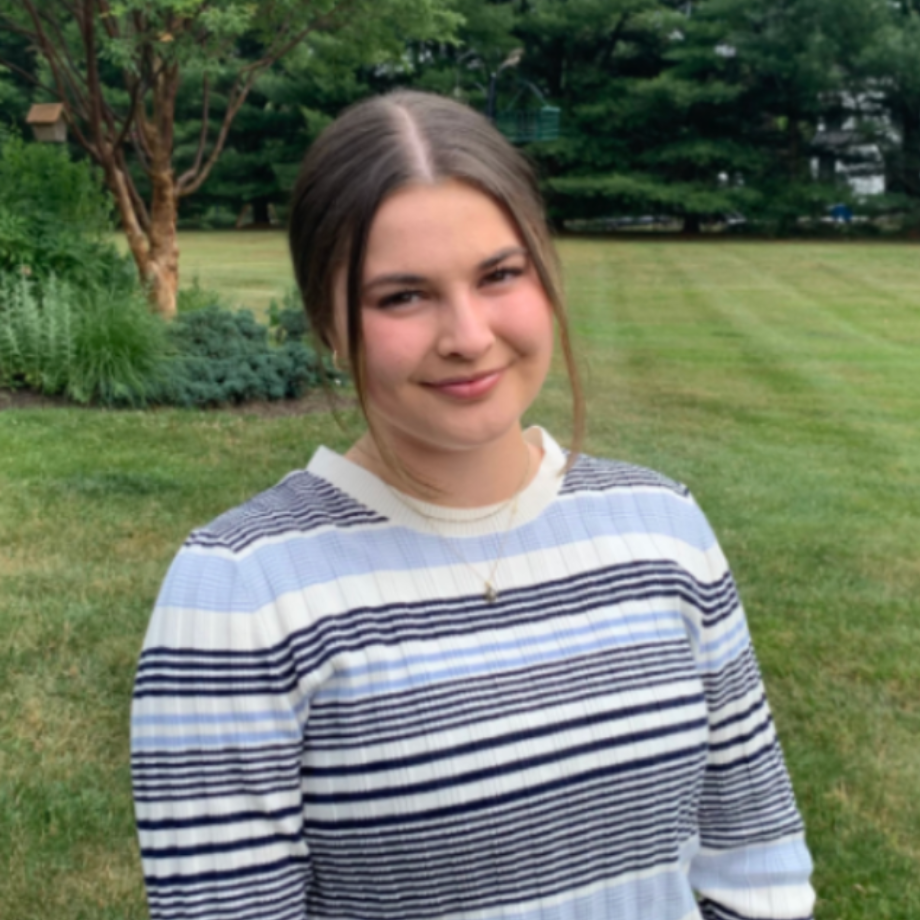
Sophia Llinas
Sophia began working in the lab in the summer of 2021 and graduated from Washington University in St. Louis in 2024 with degrees in Psychological & Brain Sciences and International Affairs. She started in the lab by collaborating with a team in Spain to publish a paper on Vascular Dementia. Sophia is currently completing a master's degree in neuropsychology at the University of College London in the United Kingdom.
Published work with the lab:
Torres-Simón L, Doval S, Nebreda A, Llinas SJ, Marsh EB, Maestú F. Understanding brain function in vascular cognitive impairment and dementia with EEG and MEG: A systematic review. Stroke 2022;35:2213-1582. Click to Read Article
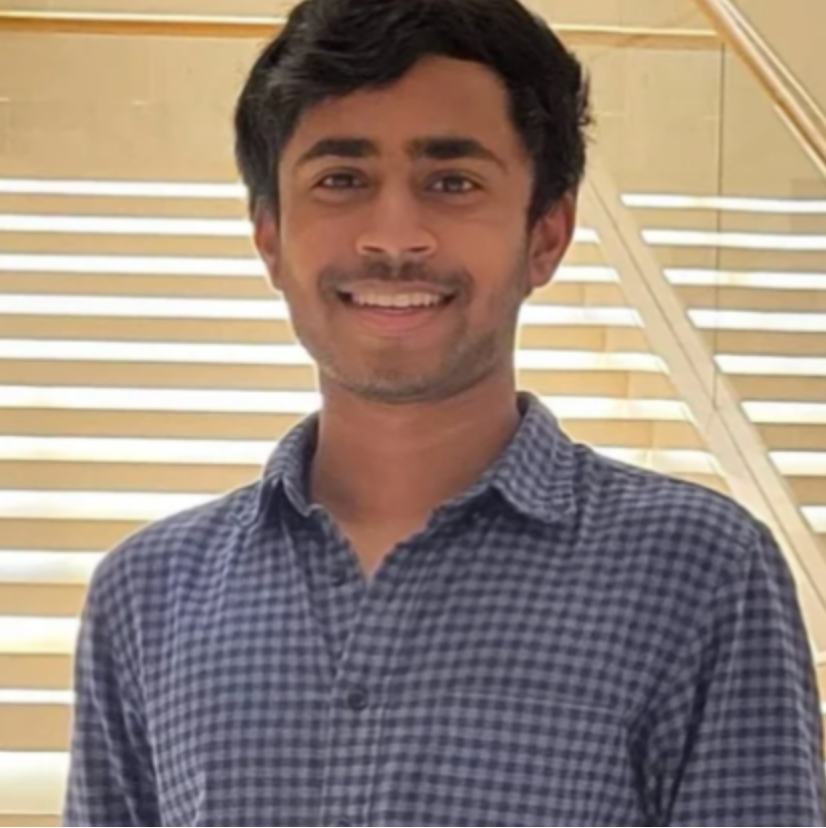
Saahith Potluri
Saahith graduated from Johns Hopkins University in May 2024 with a B.S in Neuroscience. He joined the Marsh lab in August of 2022 and worked to collect physical activity data to correlate it with recovery of stroke patients. He is currently finishing up a project related with LAMS scores. Saahith is a Johns Hopkins Medical School student.
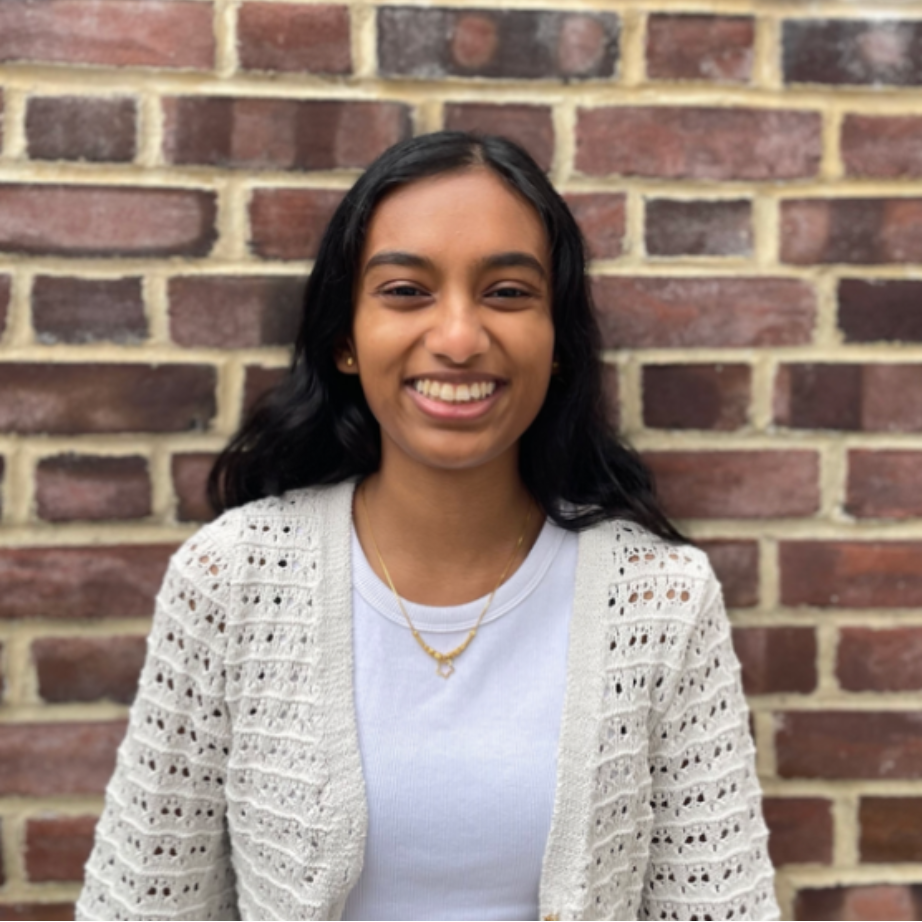
Shirlene John
Shirlene graduated from Johns Hopkins University as a double major in Neuroscience and Anthropology. She became a member of Marsh lab in August of 2022 and did cognitive testing on patients to track stroke recovery. She also worked in a project looking at the social determinants of stroke follow-up and is in the works of finishing up an Anthropology project. Since leaving the Marsh lab, Shirlene began working for the NIH.
Published work with the lab:
Larson S., John S., Gowrisankar S., Zhao M., Piner B., Dallasta I., Marsh E. B. Social Determinants of Health Framework Identifies Patients at Risk for Loss to Follow‐Up After Stroke. JAHA (2025). https://doi.org/10.1161/JAHA.124.040986. Click to read article
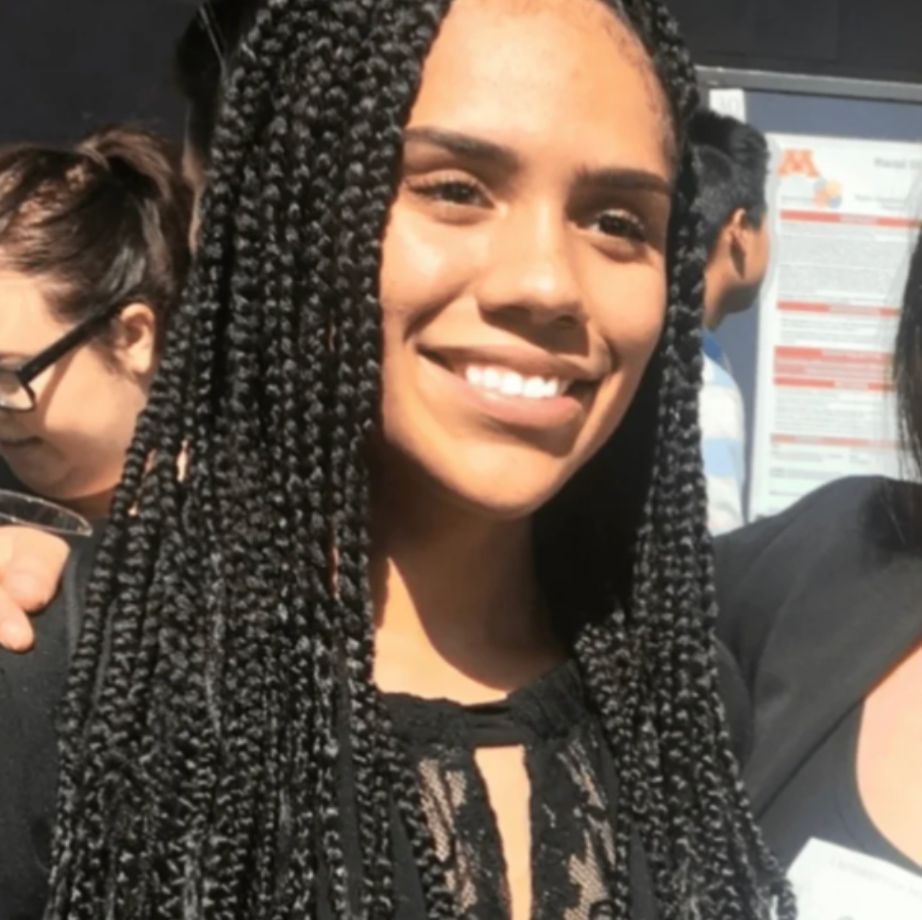
Autumn Brunson
Autumn graduated in May of 2021 from Tennessee State University with a BS in Cellular and Molecular Biology. She was accepted into the Johns Hopkins Doctoral Diversity Program and worked with the Marsh Lab. Autumn has assisted with many of the lab’s projects, including both the Recovery and Mindfulness studies.
Published work with the lab:
Marsh, E.B., Girgenti, S., Llinas, E.J., Brunson, A. Outcomes in Patients with Minor Stroke: Diagnosis and Management in the Post-thrombectomy Era. Neurotherapeutics (2023). https://doi.org/10.1007/s13311-023-01349-5 Click to read article
Girgenti, Sophia G. BS; Brunson, Autumn O. BS; Marsh, Elisabeth B. MD. Baseline Function and Rehabilitation Are as Important as Stroke Severity as Long-term Predictors of Cognitive Performance Post-stroke. American Journal of Physical Medicine & Rehabilitation 102(2S):p S43-S50, February 2023. | DOI: 10.1097/PHM.0000000000002125 Click to read article
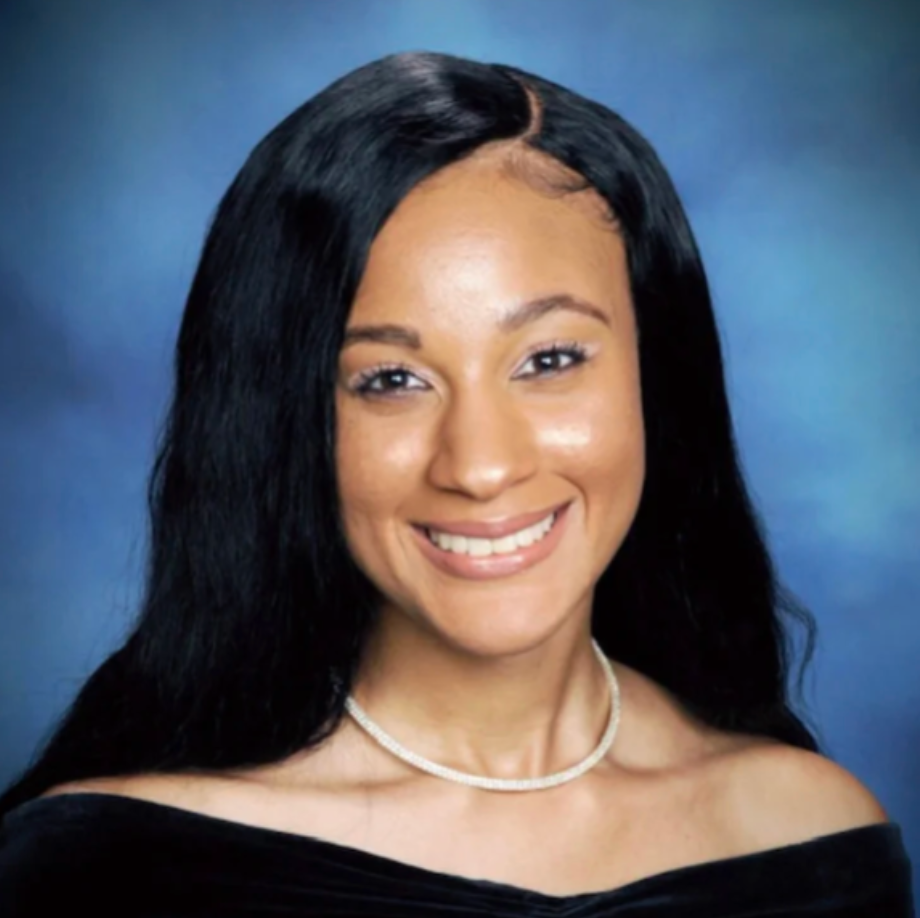
Brianna Piner
Brianna attended Johns Hopkins University as a Cognitive Science major with a minor in Psychology. She plans to attend Medical School.
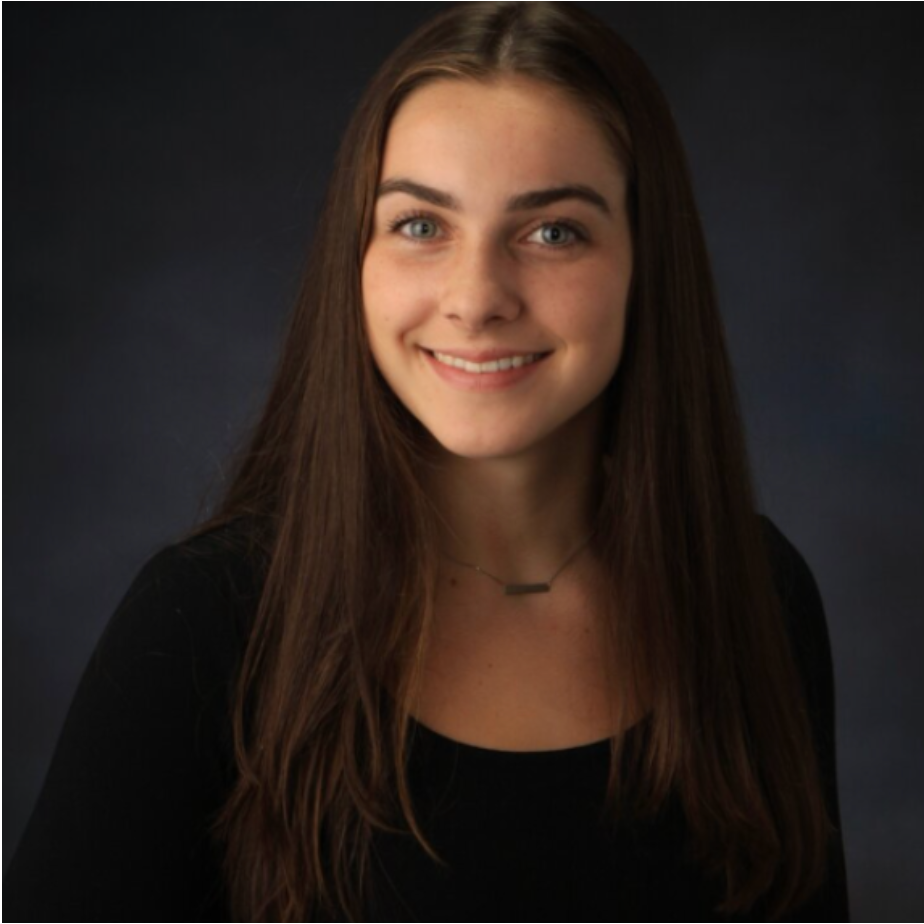
Sophia Girgenti
Sophia is a graduate of Johns Hopkins University with a B.S/M.S in Neuroscience. She is currently a student at the University of Illinois College of Medicine in Chicago.
Published work with the lab:
Chen C, Girgenti S, Marsh EB. When less is more: Non-contrast head CT alone to work-up hypertensive intracerebral hemorrhage. J Clinical Neuroscience. 2022 Jun;100:108-112. doi: 10.1016/j.jocn.2022.04.006. Click to read article
Marsh, E.B., Girgenti, S., Llinas, E.J. et al. Outcomes in Patients with Minor Stroke: Diagnosis and Management in the Post-thrombectomy Era. Neurotherapeutics (2023). https://doi.org/10.1007/s13311-023-01349-5 Click to read article
Girgenti, Sophia G. BS; Brunson, Autumn O. BS; Marsh, Elisabeth B. MD. Baseline Function and Rehabilitation Are as Important as Stroke Severity as Long-term Predictors of Cognitive Performance Post-stroke. American Journal of Physical Medicine & Rehabilitation 102(2S):p S43-S50, February 2023. | DOI: 10.1097/PHM.0000000000002125 Click to read article
Soleimani S, Dallasta I, Das P, Kulasingham JP, Girgenti S, Simon JZ, Babadi B, Marsh EB. Altered directional functional connectivity underlies post-stroke cognitive recovery. Brain communications 2023;5(3). Click to read article
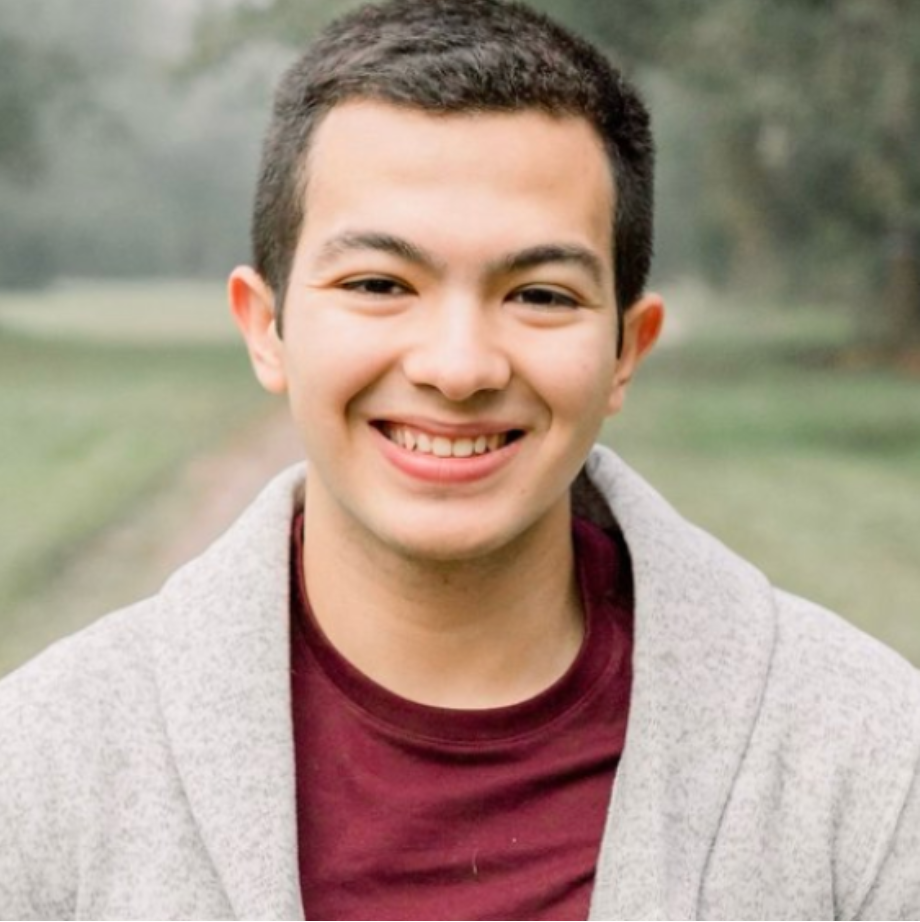
Robert Stowell-Campos
Robert is a graduate of Johns Hopkins University with a B.S/M.S in Neuroscience. He currently attends the University of Pennsylvania Perelman School of Medicine as a Medical Student.
Published work with the lab:
Stowell-Campos R., Lawrence E., Marsh E.B, Merbach D. Scrambler therapy for treatment of poststroke pain. Annals(2024). Click to read article
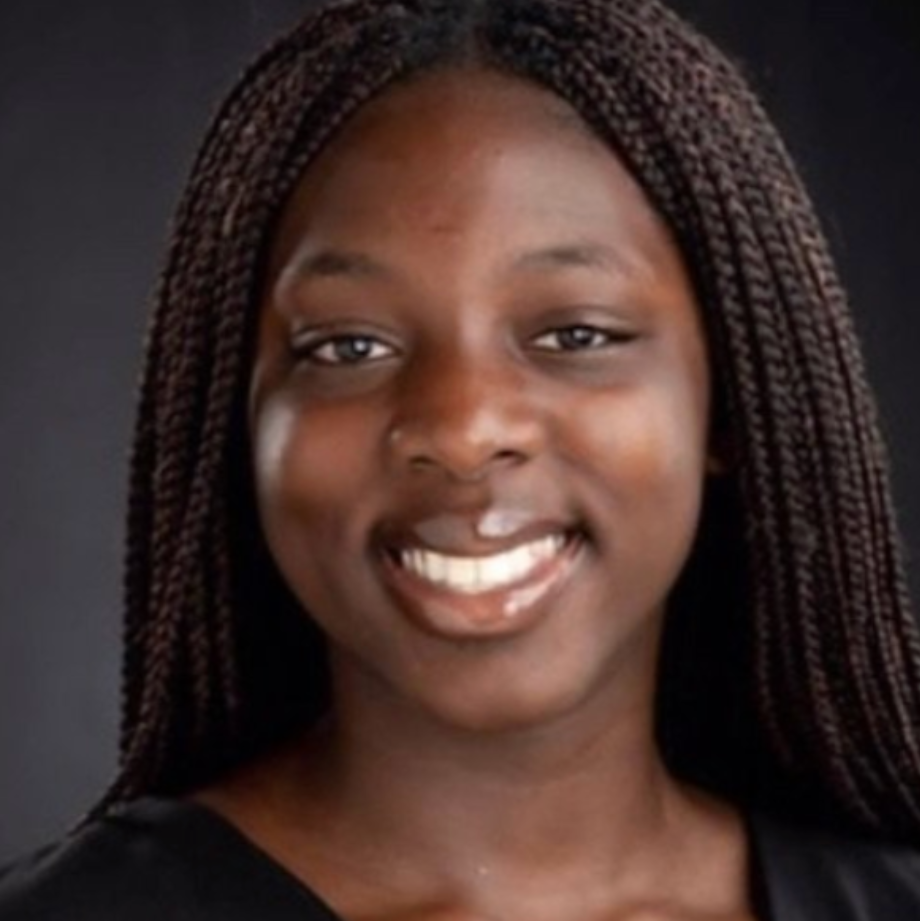
Wura Obasanjo
Wura is a graduate of Johns Hopkins University with a B.S in Neuroscience and a minor Spanish for the Professions. She plans to graduate in the spring of 2024.
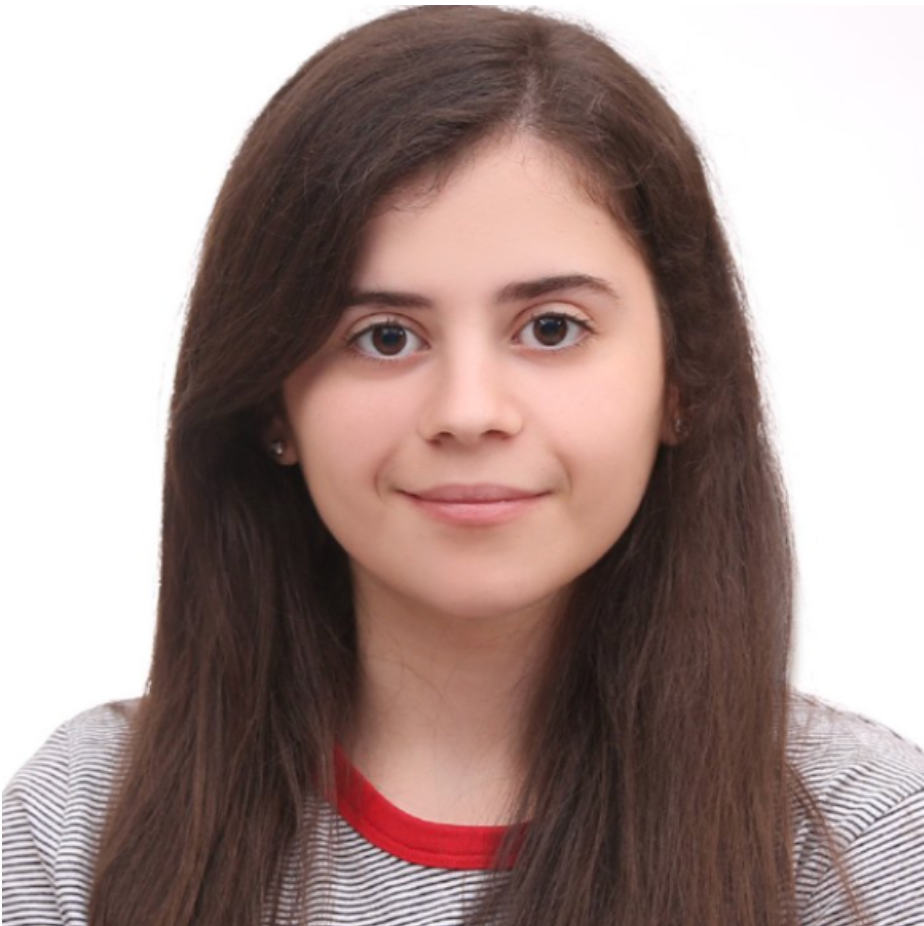
Martina Gjyzari
Martina joined the lab in June of 2021 and graduated from Johns Hopkins University in December 2022 with a B.S in Neuroscience and minor in Psychology.
Published work with the lab:
Gjyzari M, Marsh EB. Depression drives perceived quality of life following minor stroke. J Patient Rep Outcomes. 2025 Mar 11;9(1):29. doi: 10.1186/s41687-025-00861-w. PMID: 40067559; PMCID: PMC11896911. Click to read article

Annie Yang
Annie is a graduate of Johns Hopkins University with a B.S in Neuroscience and minor in Psychology. Annie assisted fellow lab member Julie Yi with data collection for her project on Post-Stroke Depression.
Published work with the lab:
Yi, J., Lu, J., Yang, A. et al. In-hospital predictors of post-stroke depression for targeted initiation of Selective Serotonin Reuptake Inhibitors (SSRIs). BMC Psychiatry 22, 722 (2022). https://doi.org/10.1186/s12888-022-04378-0 Click to Read Article

Justin Lu
Justin is graduate of Johns Hopkins University with a B.S in Neuroscience and a minor in Psychology. Justin contributed substantial data collection to fellow lab member Julie Yi’s project on Post-Stroke Depression.
Published work with the lab:
Yi, J., Lu, J., Yang, A. et al. In-hospital predictors of post-stroke depression for targeted initiation of Selective Serotonin Reuptake Inhibitors (SSRIs). BMC Psychiatry 22, 722 (2022). https://doi.org/10.1186/s12888-022-04378-0 Click to Read Article

Zohra Ahmed
Zohra is a graduate of Notre Dame of Maryland University. She became a member of Marsh lab in August of 2022 and is investigating the effects of stroke on lipid levels. She graduated with a bachelors in psychology and minor in biology in May 2023 and has since started Medical School A.T. Still University Osteopathic Medical School in August 2023.
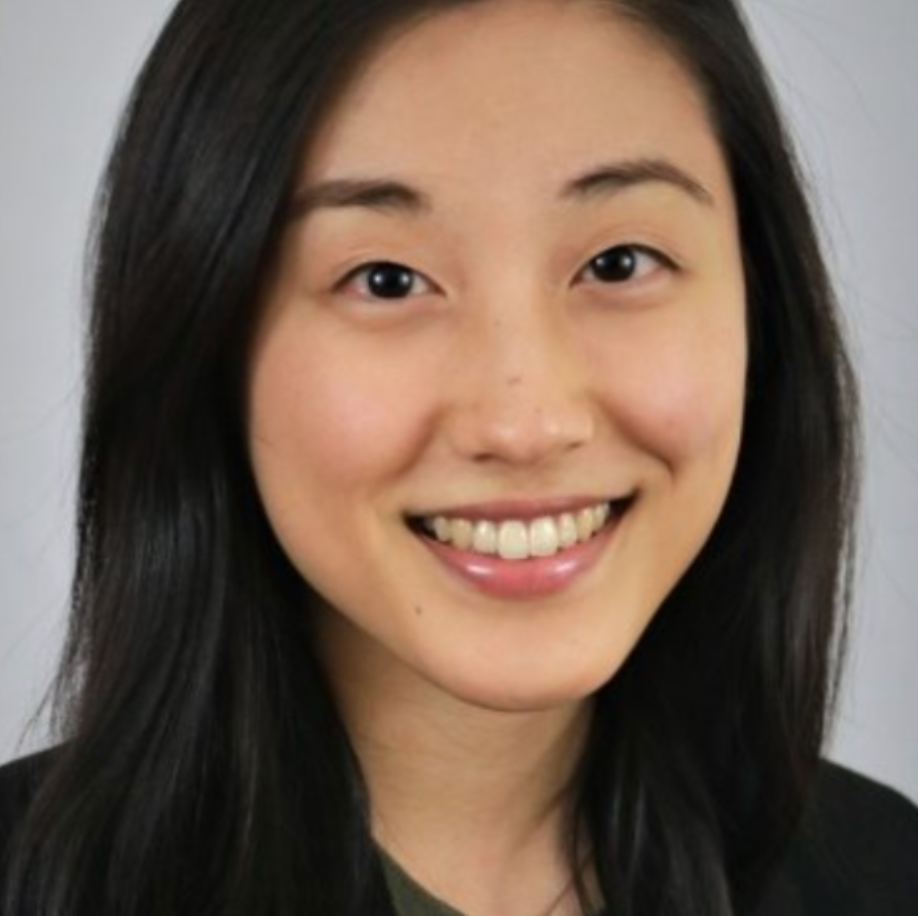
Julie Yi, MD
Julie is a graduate of the Johns Hopkins School of Medicine. Julie completed a project titled, “Inpatient Predictive Factors for Post-Stroke Depression for Targeting Initiation of SSRIs”. She presented her findings at the International Stroke Conference (ISC) and the American Academy of Neurology (AAN).
Published work with the lab:
Yi, J., Lu, J., Yang, A. et al. In-hospital predictors of post-stroke depression for targeted initiation of Selective Serotonin Reuptake Inhibitors (SSRIs). BMC Psychiatry 22, 722 (2022). https://doi.org/10.1186/s12888-022-04378-0 Click to Read Article
Teddy Llinas
Teddy graduated with distinction in biology from Duke University in May of 2022, and began medical school in the fall of 2023. Teddy began working in the Marsh lab in the summer of 2018. He has worked on several projects including studying the timing of symptomatic hemorrhage after treatment with IV tPA, the utility of 24 hour CT scans, and the role of transcranial direct-current stimulation (tDCS) on stroke recovery.
Published work with the lab:
Chang A, Llinas EJ, Chen K, Llinas RH, Marsh EB. Shorter intensive care unit stays?: The majority of post-intravenous tPA (tissue-type plasminogen activator) symptomatic hemorrhages occur within 12 hours of treatment. Stroke 2018;49(6):1521-1524. Click to read article
Marsh, E.B., Girgenti, S., Llinas, E.J. et al. Outcomes in Patients with Minor Stroke: Diagnosis and Management in the Post-thrombectomy Era. Neurotherapeutics (2023). https://doi.org/10.1007/s13311-023-01349-5 Click to read article
Sheena Khan, MD
Sheena is a graduate of the UAB School of Medicine. She investigated if the need for intensive monitoring after tPA treatment is necessary for all patients.
Published work with the lab:
Khan S, Soto A, Marsh EB. Resource Allocation: Stable Patients Remain Stable 12-24 h Post-tPA. Neurocrit Care. 2020 Oct;33(2):582-586. doi: 10.1007/s12028-019-00889-z. PMID: 31820292. Click to read article
Gweh D, Khan S, Pelletier L, Tariq N, Llinas RH, Caplan J, Marsh EB. The Post-Pipeline Headache: New Headaches Following Flow Diversion for Intracranial Aneurysm. J Vasc Interv Neurol. 2020 Jan;11(1):34-39. PMID: 32071670; PMCID: PMC6998808. Click to read article
Nemah Saeed
Nemah worked as a student volunteer during the 2021-2022 school year and helped with quality improvement data collection. She attended Notre Dame of Maryland University, where she studied psychology on the pre-med track.
Elma Chowdhury, B.S.
Elma worked with the Marsh Lab as an undergraduate student at Johns Hopkins University majoring in Neuroscience with a focus in Cognitive Neuroscience. She evaluated the differences in in-patient and out-patient outcomes for individuals post-stroke who are placed on single versus dual antiplatelet therapy. She began her work with the lab in September of 2019 and graduated as part of the class of 2021. Elma presented her work at the 2022 American Academy of Neurology Conference in Seattle, WA.
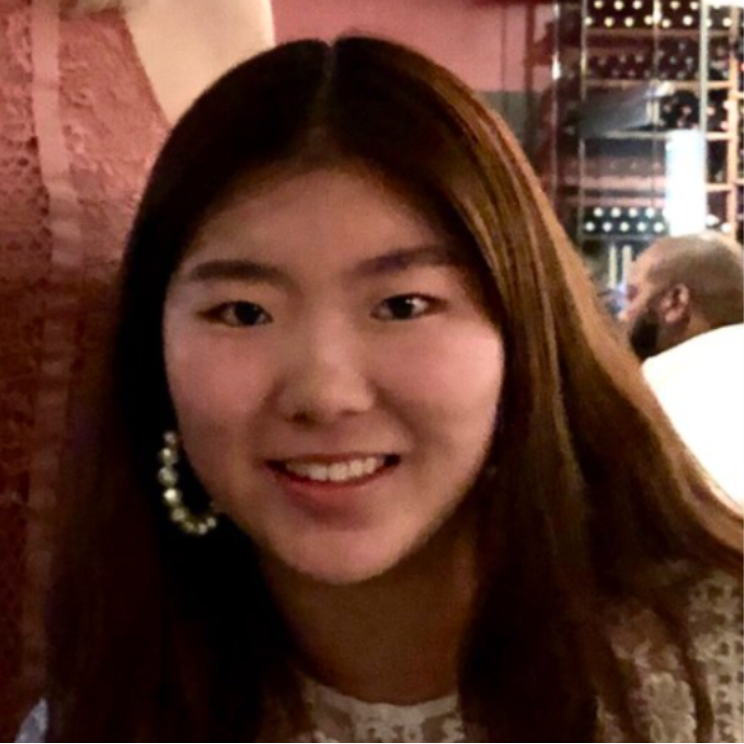
Claire Chen, B.S.
Claire graduated from Johns Hopkins University with a BS in Neuroscience, as well as a BS in Molecular and Cellular Biology. She joined the Marsh lab in 2019 and began her work by contributing to the comprehensive stroke database on ischemic and hemorrhagic strokes. Later, she investigated the predictability of non-contrast head CTs in determining hypertensive hemorrhages.
Published work with the lab:
Chen C, Girgenti S, Marsh EB. When less is more: Non-contrast head CT alone to work-up hypertensive intracerebral hemorrhage. J Clinical Neuroscience. 2022 Jun;100:108-112. doi: 10.1016/j.jocn.2022.04.006. Click to read article
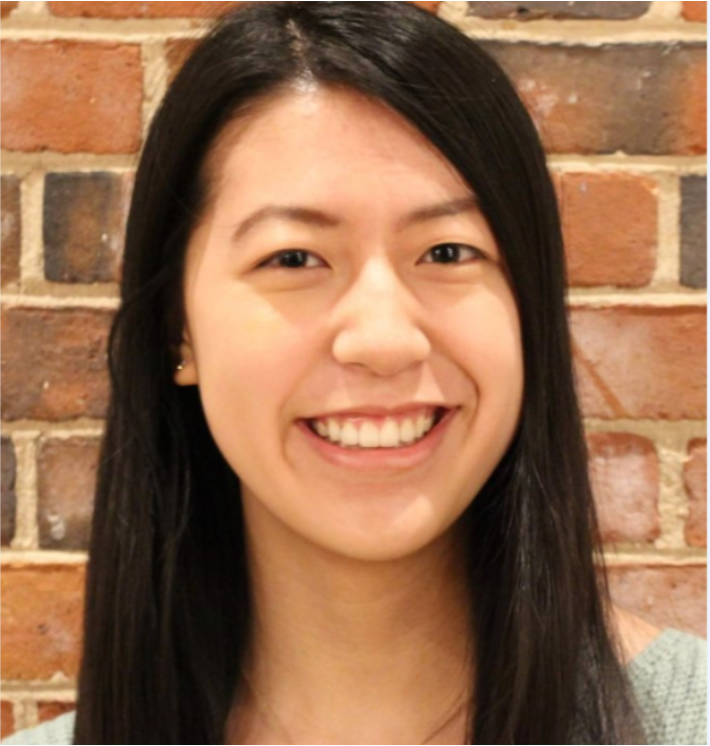
Rebecca Lin, MD
Rebecca is a graduate of the Washington University School of Medicine in St. Louis. In the Marsh Lab, she investigated prosody through singing and evaluating whether it would be an effective method to detect right hemisphere stroke.
Published work with the lab:
Lin RZ and Marsh EB. Abnormal singing can identify patients with right hemisphere cortical strokes at risk for impaired prosody. Medicine. 2021;100(23):e26280. Click to read article
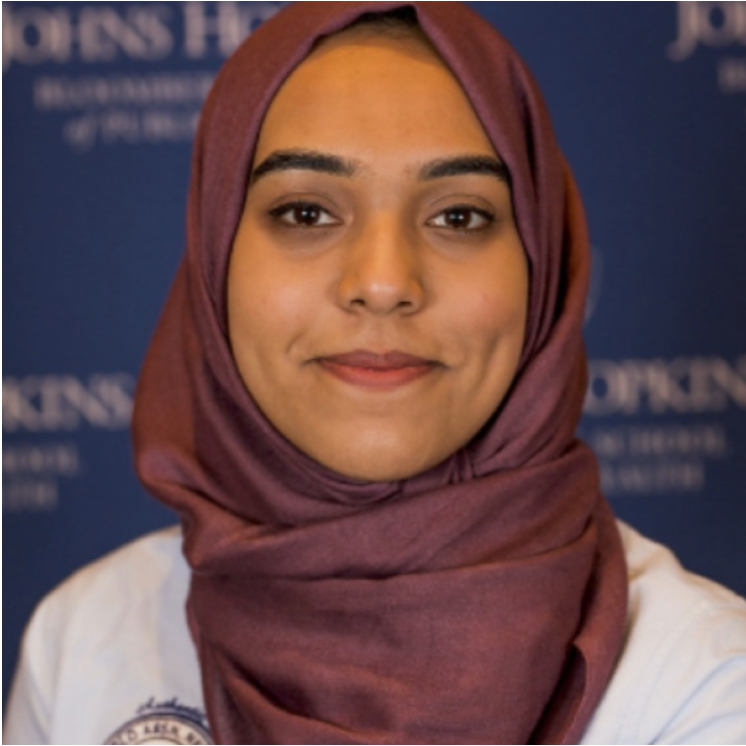
Dania Mallick, M.B.B.S., M.S.P.H.
Dania graduated from the Johns Hopkins Bloomberg School of Public Health with a master of science in public health degree in the spring of 2019. She has previously graduated from medical school from the Aga Khan University. She began working at the Marsh lab in September 2018 and began her residency in neurology at Michigan State University in June of 2020.
Published work with the lab:
Merbach D, Lawrence E, Mallick D, Marsh EB. A Therapeutic International Normalized Ratio Results in Smaller Infarcts and Better Outcomes for Patients with Ischemic Stroke. J Stroke Cerebrovasc Dis. 2019 Oct;28(10):104278. doi: 10.1016/j.jstrokecerebrovasdis.2019.06.036. Epub 2019 Jul 17. PMID: 31326271. Click to read article
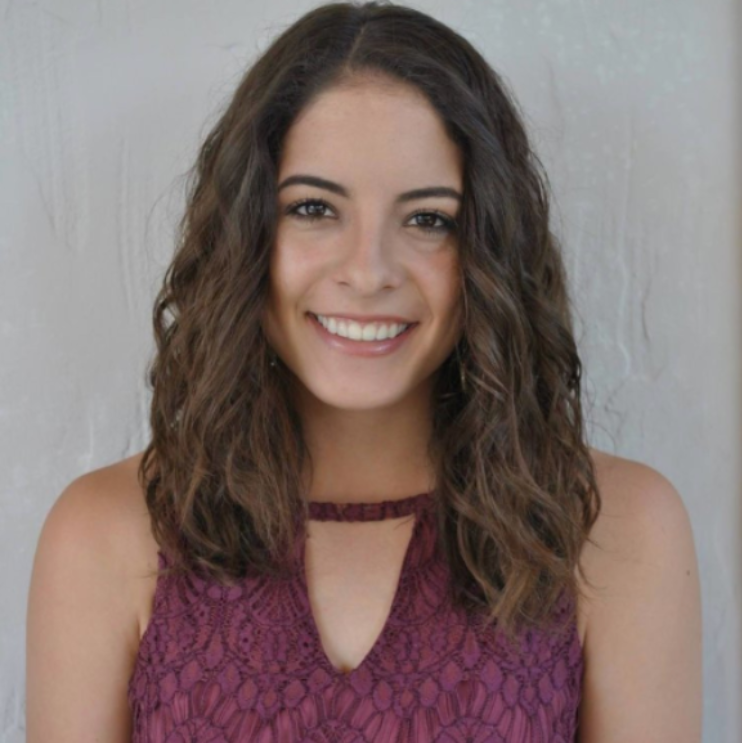
Alexandria Soto, MD
Alex is a graduate of the Duke University School of Medicine. Alex conducted research with the Marsh Lab while completing her undergraduate degrees in Neuroscience and Medical Humanities at Johns Hopkins. During this time, she investigated the relationship between changes on nailbed capillaroscopy and degree of white matter disease on MRI in patients with cerebrovascular disease. Additionally, she evaluated the necessity of 24-hour recourse-intensive monitoring in patients receiving IV-tPA.
Published work with the lab:
Khan S, Soto A, Marsh EB. Resource Allocation: Stable Patients Remain Stable 12-24 h Post-tPA. Neurocrit Care. 2020 Oct;33(2):582-586. doi: 10.1007/s12028-019-00889-z. PMID: 31820292. Click to read article
Adam Chang, MD
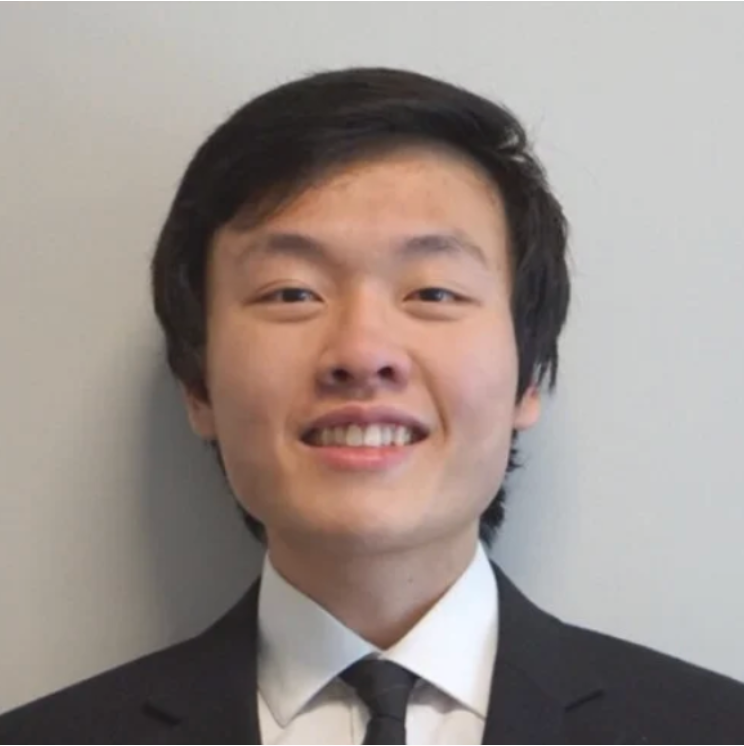
Adam is a graduate of the UVA School of Medicine. He began doing research with the Marsh lab in the summer of 2017 as a student at Johns Hopkins University. His first project examined the need for ICU monitoring after treatment with intravenous tissue plasminogen activator (IV tPA). Treatment with IV tPA may result in symptomatic intracranial hemorrhage, a life-threatening complication. The current standard of care places these patients under 24 hours of ICU monitoring post-treatment, which is resource-intensive. Results of the study showed that the majority of sICH occurred within the first few hours of treatment, and that 24 hours of ICU monitoring may not be required for most patients. His second project studied the effects of IV tPA on the conversion of proximal large-vessel occlusions, and the effects that this has on intra-arterial thrombectomy, a catheter clot removal procedure, as well as overall clinical outcomes.
Published work with the lab:
Chang A, Llinas EJ, Chen K, Llinas RH, Marsh EB. Shorter intensive care unit stays?: The majority of post-intravenous tPA (tissue-type plasminogen activator) symptomatic hemorrhages occur within 12 hours of treatment. Stroke 2018;49(6):1521-1524. Click to read article
Chang A, Beheshtian E, Llinas EJ, Idowu OR, Marsh EB. Intravenous Tissue Plasminogen Activator in Combination With Mechanical Thrombectomy: Clot Migration, Intracranial Bleeding, and the Impact of "Drip and Ship" on Effectiveness and Outcomes. Front Neurol. 2020 Dec 9;11:585929. doi: 10.3389/fneur.2020.585929. PMID: 33424741; PMCID: PMC7794010. Click to read article
Karen Chen, MD
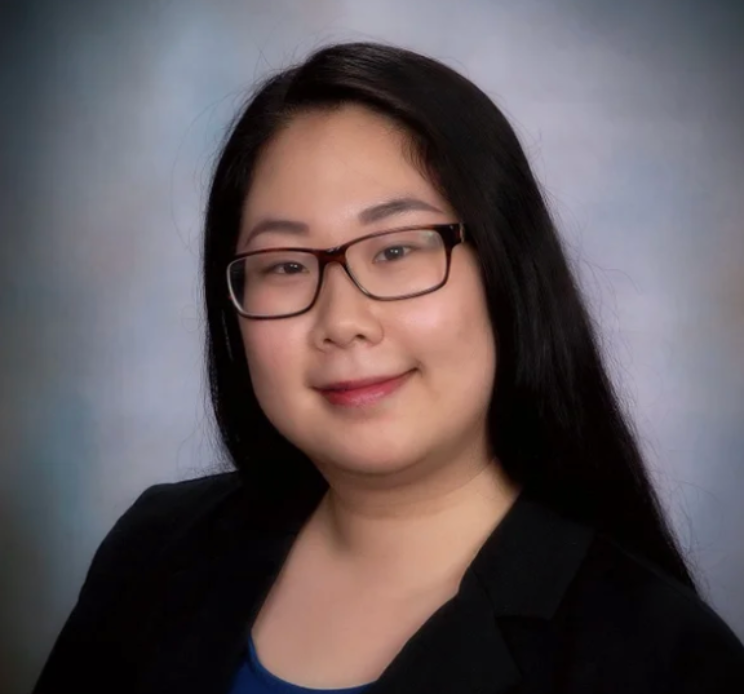
Karen is a graduate of the Penn State College of Medicine. She started out doing research in the Marsh lab as an undergraduate for two summers in 2014 and 2016. Her first project examined the added utility of CTA in assessing dizzy patients for posterior circulation ischemia. Results showed that the presence of calcium on CTA does not significantly increase the ability to predict stroke; a vascular risk assessment and neurological exam should remain the standard evaluation for risk-stratifying ischemia in dizzy patients. Her second study investigated the factors associated with post-stroke fatigue and how they evolve from the early to chronic phases of recovery.
Published work with the lab:
Chang A, Llinas EJ, Chen K, Llinas RH, Marsh EB. Shorter intensive care unit stays?: The majority of post-intravenous tPA (tissue-type plasminogen activator) symptomatic hemorrhages occur within 12 hours of treatment. Stroke 2018;49(6):1521-1524. Click to read article
Marsh EB, Lawrence E, Hillis AE, Chen K, Gottesman RF, Llinas RH. Pre-stroke employment results in better patient-reported outcomes after minor stroke. Clinical Neurology and Neurosurgery 2018;165:38-42. Click to read article
Chen K, Schneider ALC, Llinas RH, Marsh EB. Keep it simple: vascular risk factors and focal exam findings correctly identify posterior circulation ischemia in “dizzy” patients. BMC Emergency Medicine 2016;16(1):8-16. Click to read article
Demitre Gweh, B.S
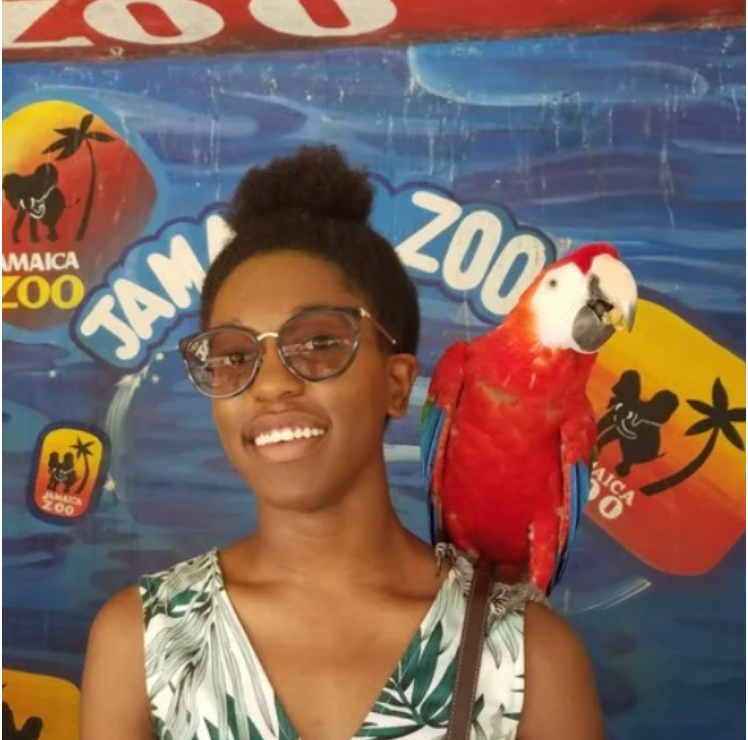
Demitre began working in the Marsh lab in November 2017 and graduated from Johns Hopkins University with a B.S. in Neuroscience in 2018. In the lab, Demitre assessed the prevalence of headaches in patients following aneurysm procedures.
Published work with the lab:
Gweh D, Khan S, Pelletier L, Tariq N, Llinas RH, Caplan J, Marsh EB. The Post-Pipeline Headache: New Headaches Following Flow Diversion for Intracranial Aneurysm. J Vasc Interv Neurol. 2020 Jan;11(1):34-39. PMID: 32071670; PMCID: PMC6998808. Click to read article
Courtney Whilden, Ph.D.
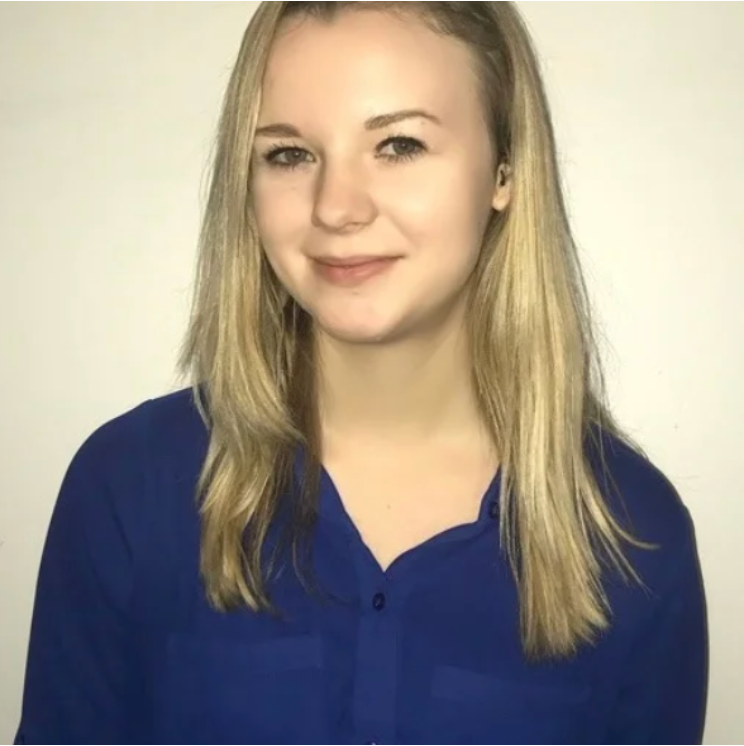
Courtney is a graduate of the Harvard Medical School PhD Program with a Ph.D in Neuroscience. Courtney worked with the lab as an undergraduate neuroscience student at Johns Hopkins in August of 2017. She worked on a study that addressed the relationship between patient-reported outcomes of recovery and objective measurements of cognitive recovery after stroke. Courtney has also assisted in the implementation of patient surveys in the clinic that assess patient expectations for recovery.
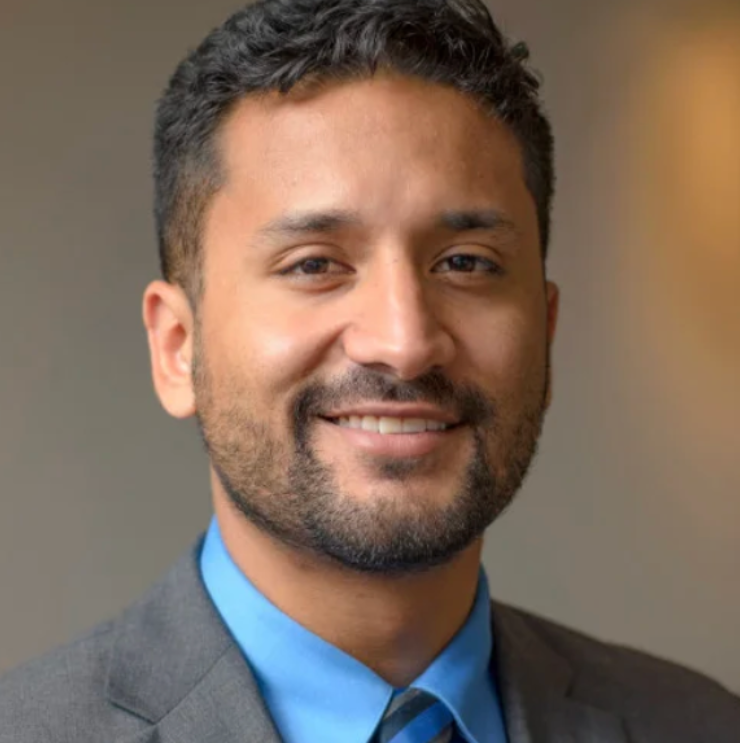
Martin Chacon-Portillo, M.D.
Dr. Martin Chacon-Portillo spent nearly a year with the Marsh lab investigating the association between cerebral microbleeds and hemorrhage after IV tPA and showed that the risk for symptomatic hemorrhage was low.
Published work with the lab:
Chacon-Portillo MA, Llinas RH, Marsh EB. Cerebral microbleeds shouldn't dictate treatment of acute stroke: a retrospective cohort study evaluating risk of intracerebral hemorrhage. BMC Neurology 2018;18(1):33.
Click to read article
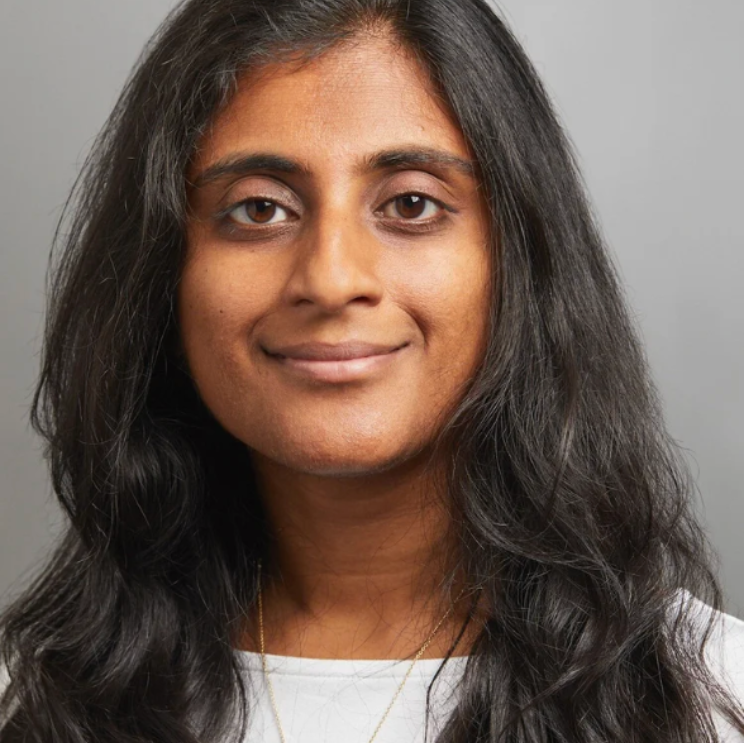
Richa Sharma, M.D., M.P.H.
Dr. Richa Sharma was part of the Marsh lab during her Neurology Residency at Johns Hopkins. Her areas of interest included the role of collaterals in predicting outcome and post-stroke cognitive impairment. She completed a fellowship in vascular neurology at the Massachusetts General Hospital and is now a Vascular Neurologist who specializes in the treatment and prevention of strokes at Yale New Haven Hospital.
Published work with the lab:
Sharma R, Llinas R, Urrutia V, Marsh EB. Collaterals predict outcome regardless of time last known normal. Journal of Stroke and Cerebrovascular Diseases 2018;27(4):971-977. Click to read article
Sharma R, Mallick D, Llinas RH, Marsh EB. Early Post-stroke Cognition: In-hospital Predictors and the Association With Functional Outcome. Front Neurol. 2020 Dec 23;11:613607. doi: 10.3389/fneur.2020.613607. PMID: 33424761; PMCID: PMC7787003. Click to read article
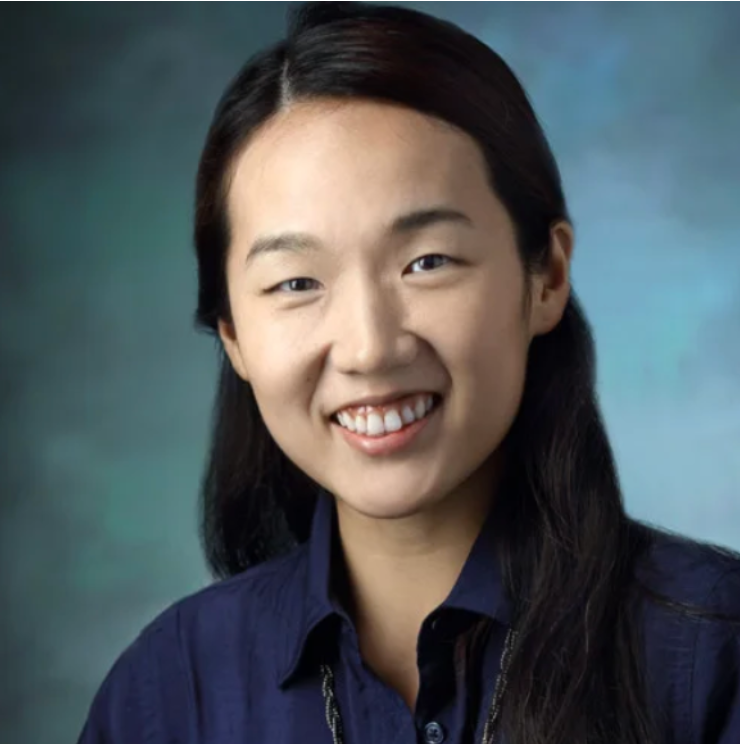
Cathy Cao, Pharm.D.
Dr. Cathy Cao collaborated with the lab as a pharmacy resident at Johns Hopkins Bayview, exploring the role of international normalized ratio (INR) in predicting ischemia. Afterward, she began working as an Oncology Pharmacy Specialist at the Dana-Farber Cancer Institute.
Published work with the lab:
Cao C, Martinelli A, Spoelhof B, Llinas RH, Marsh EB. In potential stroke patients on warfarin, the international normalized ratio predicts ischemia. Cerebrovascular Diseases EXTRA 2017;7(2):111-119.
Click to read article
Gabriel Casella, MD, PhD
As an undergraduate at Johns Hopkins, Gabriel investigated how commonly isolated aphasia was caused by ischemia and found an alternative diagnosis in the majority of cases. After being an IRTA Fellow at the National Institute of Aging, he began an MD/Ph.D. program at The University of Chicago.
Published work with the lab:
Casella G, Llinas RH, Marsh EB. Isolated aphasia in the emergency department: the likelihood of ischemia is low. Clinical Neurology and Neurosurgery 2017;163:24-26.
Click to read article
Emma Kaplan, M.D.
Emma worked in the Marsh lab as an undergraduate at Penn, investigating the association between substance abuse and intracranial hemorrhage. She graduated from medical school from the University of Maryland and was a resident at the Boston University Medical Center.
Published work with the lab:
Kaplan EH, Gottesman RF, Llinas RH, Marsh, EB. The association between specific substances of abuse and subcortical intracerebral hemorrhage versus ischemic lacunar infarction. Frontiers in Neurology, 2014;5:174.
Click to read article